
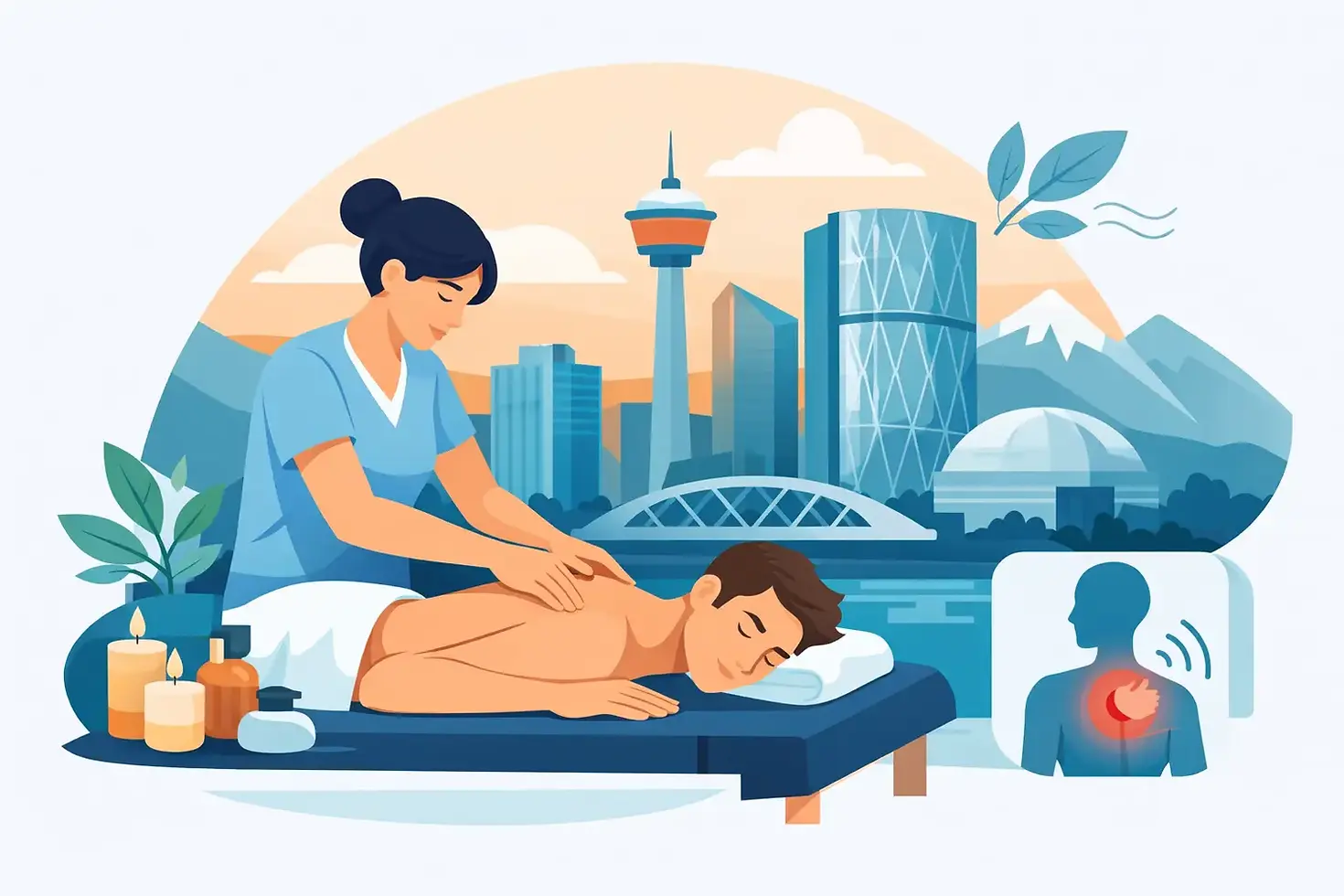
Massage Therapy Calgary for Pain Relief
- bhupiluhi
- May 7
- 5 min read
A stiff neck after long hours at a desk. Low back pain that keeps flaring up. Tight shoulders that turn a normal workday into a draining one. For many people searching for massage therapy Calgary clinics offer, the goal is not simply to relax for an hour - it is to feel and move better in daily life.
Massage therapy can play a meaningful role in recovery when it is used with purpose. The best treatment is not a one-size-fits-all routine. It should reflect why your pain started, which tissues are involved, how long symptoms have been present, and what you need your body to do again - whether that means working comfortably, training without restriction, or getting through the day with less pain.
What massage therapy in Calgary can help with
Massage therapy is often associated with stress relief, and that benefit is real. But in a clinical setting, it is also used to address muscle tension, movement restriction, postural strain, and pain linked to injury or overuse. Many patients seek care for common issues such as neck and shoulder tension, low back pain, headaches related to muscle tightness, sports injuries, and soreness after physically demanding work.
It can also support people managing chronic pain. In these cases, treatment is rarely about one muscle alone. Chronic discomfort often involves compensation patterns, limited mobility, reduced tolerance for activity, and nervous system sensitivity. Skilled massage therapy can help calm irritated tissues, improve circulation, and create a window where movement feels easier and exercise becomes more manageable.
That said, massage is not the right standalone answer for every condition. If pain is being driven by a joint issue, nerve irritation, vestibular symptoms, pelvic floor dysfunction, or a more complex injury, massage may be just one part of a broader plan. This is where integrated care matters.
Massage therapy Calgary patients often need after injury
After an injury, timing and approach matter. Early on, aggressive pressure is not always helpful. Inflamed tissues may respond better to gentle hands-on techniques, circulation-focused work, and treatment that reduces guarding without adding irritation. As healing progresses, care can shift toward restoring tissue mobility, reducing protective tension, and helping you tolerate movement again.
This is especially relevant after workplace injuries, motor vehicle accidents, and sports-related strains. In these situations, patients are often dealing with more than soreness. They may have pain, stiffness, poor sleep, weakness, and a growing fear of certain movements. Massage therapy can help reduce the physical tension around an injury, but recovery usually improves when it is paired with guided rehabilitation and reassessment over time.
At Sterling Physiotherapy and Wellness, this kind of hands-on care fits into a larger recovery plan. That matters because symptom relief is useful, but lasting progress depends on whether treatment is moving you back toward normal strength, mobility, and function.
What a good treatment plan should include
A useful massage appointment should start with questions, not assumptions. Your therapist should want to know where it hurts, what makes symptoms worse, how long the issue has been present, what kind of work or activity you do, and whether there are any related symptoms such as numbness, dizziness, headaches, or weakness.
From there, treatment should be intentional. Sometimes that means focusing directly on tight or overworked muscles. Other times it means treating surrounding areas that are compensating for a deeper problem. A patient with shoulder pain, for example, may also need work through the upper back, chest, and neck because those areas often influence how the shoulder moves.
A good plan should also account for tolerance. Some people respond well to deeper pressure, while others flare up after aggressive work. More pressure is not always better. The goal is to create change in tissue tension and movement quality without leaving you feeling worse for days.
How massage therapy supports physiotherapy
Massage therapy and physiotherapy often work best together. Massage can help reduce pain and guarding, which makes it easier to participate in exercise and mobility work. Physiotherapy then builds on that progress by addressing strength deficits, movement mechanics, balance, joint mobility, and functional limitations.
This combination is especially valuable when symptoms keep coming back. A massage may provide short-term relief for recurring back or neck pain, but if posture, core control, lifting mechanics, work demands, or training errors are contributing to the problem, those factors need to be addressed too. Otherwise, the same pattern tends to return.
For active adults, this integrated approach often helps them get back to sport or exercise more confidently. For injured workers, it can support a safer return to job demands. For people with chronic pain, it offers both symptom management and a path toward better capacity over time.
When massage therapy is the right fit - and when it is not enough
Massage therapy is a strong option when soft tissue tension is a major part of the problem. It can be very effective for muscular tightness, postural overload, stress-related tension, and recovery from physical strain. It may also help with headaches driven by neck and upper shoulder tension, as well as general stiffness that limits comfortable movement.
Still, there are times when massage should not be the only treatment. If you have persistent numbness, significant weakness, severe dizziness, unexplained swelling, concussion symptoms, pelvic health concerns, or pain that is getting worse without a clear reason, a broader clinical assessment is important. Those symptoms can point to issues that need a more specific treatment plan.
This is not a drawback of massage therapy. It is simply part of good clinical care. The most helpful recommendation is not always more treatment of the same kind. Sometimes it means combining services, adjusting the approach, or referring you for further assessment when needed.
Choosing massage therapy in Calgary with confidence
If you are comparing providers, look beyond the menu of services. The better question is whether the clinic takes a personalized, recovery-focused approach. You want care that considers the source of the problem, not just the area that feels tight today.
It also helps to choose a clinic where massage therapy is part of a broader treatment environment. That gives you options if your needs change. If a simple muscle strain turns out to involve joint restriction, poor movement control, or delayed recovery, your care can adapt instead of starting over somewhere else.
Convenience matters too. Many patients put off treatment because they assume they need a referral or expect the process to be complicated. In many cases, you can begin care directly, which makes it easier to address symptoms before they become harder to manage.
What results should you expect?
Results depend on the condition, how long it has been present, and what else is contributing to it. Some people notice meaningful relief after one session, especially when the issue is recent and clearly muscular. Others improve more gradually because the problem has been building for months, involves multiple body regions, or is tied to workload, stress, or recurring movement patterns.
A realistic expectation is progress, not magic. You may notice reduced tension, easier movement, better sleep, or less pain during daily tasks. Over time, the goal is to help your body tolerate more - more walking, more training, more lifting, more sitting, or simply more normal life with fewer setbacks.
That is why treatment should be measured by function as much as comfort. Feeling looser after a session is helpful. Being able to work, exercise, parent, and sleep with less pain is what really matters.
A practical next step for massage therapy Calgary patients
If your body has been sending the same warning signs for weeks - tightness, pain, restricted movement, recurring flare-ups - it is worth taking seriously. Massage therapy can be a valuable part of recovery when it is matched to your condition, your tolerance, and your goals.
The right care should leave you feeling supported, informed, and clearer on what your body needs next. Relief is important, but the bigger goal is getting back to moving with confidence and keeping that progress going.


Comments