
A Guide to Concussion Recovery Therapy
- bhupiluhi
- 11 hours ago
- 6 min read
The days after a concussion can feel unpredictable. One person is back to regular routines within a couple of weeks, while another is still dealing with headaches, dizziness, fatigue, or brain fog long after the initial injury. A clear guide to concussion recovery therapy helps make sense of that uncertainty and shows what proper care should actually look like.
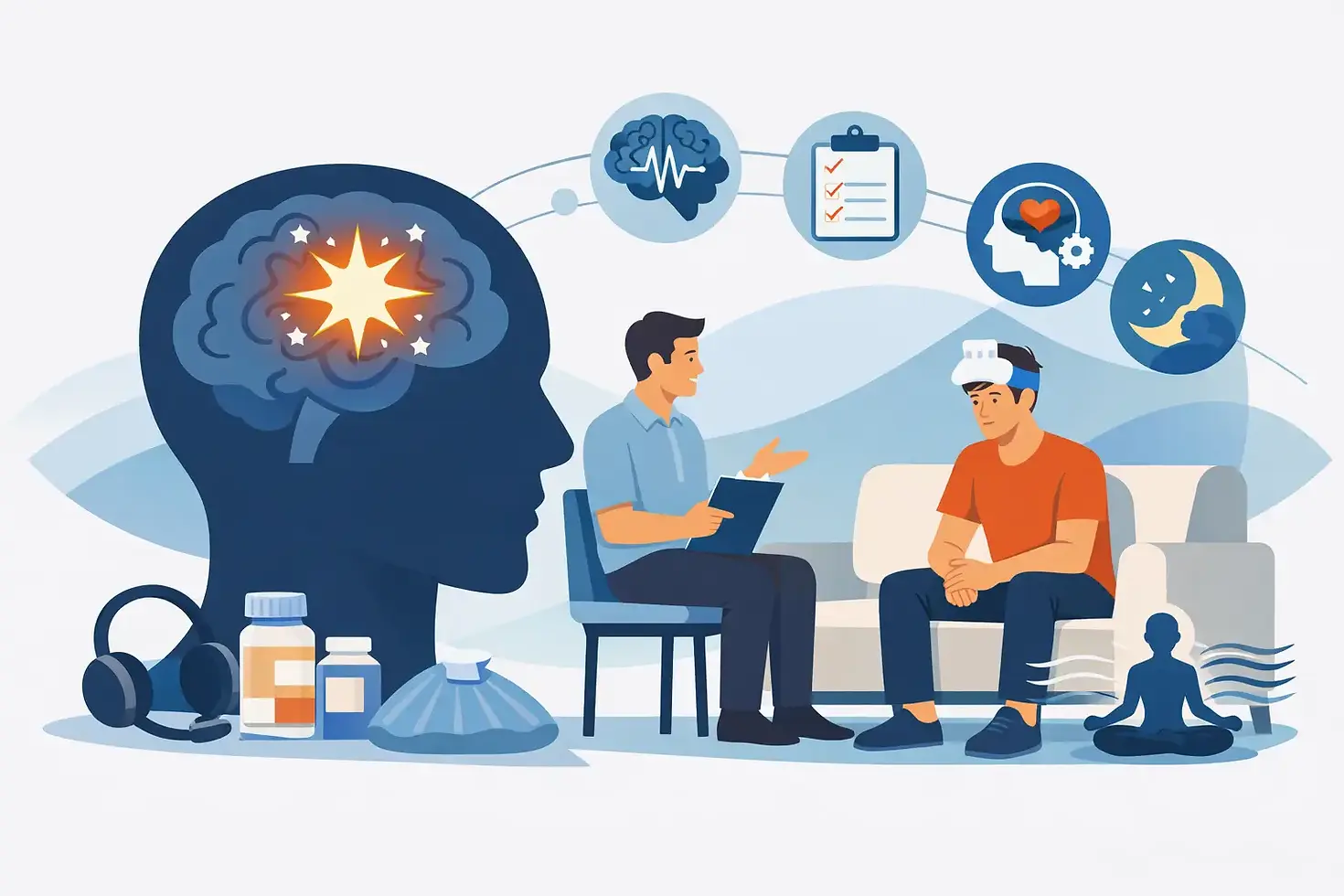
Concussion recovery is not just about resting in a dark room and waiting it out. Early rest still matters, but so does the right return to movement, screen time, work, school, exercise, and everyday activity. If symptoms are lingering or getting in the way of daily life, structured therapy can play an important role in recovery.
What concussion recovery therapy actually involves
A concussion is a mild traumatic brain injury that can affect how the brain processes information and how the body responds to movement, balance, and sensory input. Symptoms can include headache, nausea, dizziness, light sensitivity, noise sensitivity, neck pain, fatigue, irritability, trouble concentrating, sleep changes, and blurred vision. Not every person has the same pattern, which is why treatment should never be one-size-fits-all.
Concussion recovery therapy is a personalized rehabilitation approach that addresses the specific systems affected by the injury. For some people, that means vestibular therapy for dizziness and balance problems. For others, it may involve cervical treatment for neck-related headaches, graded exercise for activity intolerance, or visual tracking work for symptoms triggered by reading or screens.
The goal is not to push through symptoms or simply mask them. The goal is to understand what is driving them and build a treatment plan that helps the nervous system settle, restores function, and supports a safe return to normal life.
Why a guide to concussion recovery therapy matters
Concussions are often called invisible injuries because standard imaging may look normal even when symptoms are very real. That can leave people feeling dismissed, especially if they are trying to work, care for family, drive, or keep up with regular routines while still feeling off.
A good guide to concussion recovery therapy matters because recovery is rarely just about the brain in isolation. The neck, inner ear, vision system, sleep, stress levels, and activity load can all influence how someone feels day to day. Two people can have the same diagnosis and need very different care.
This is also why outdated advice can slow progress. Complete rest for long periods is usually not the answer. Too much activity too soon is not helpful either. The right middle ground depends on symptoms, history, and how the body responds over time.
The early stage: what to do in the first few days
In the first 24 to 48 hours, relative rest is usually recommended. That means reducing activities that sharply worsen symptoms while still allowing gentle movement and light daily tasks as tolerated. Sleeping, staying hydrated, eating regularly, and limiting symptom-provoking physical or cognitive effort can help during this stage.
After that early period, many people do better with gradual reintroduction of activity instead of strict rest. Light walking, short periods of reading, and brief screen use may be appropriate if symptoms stay manageable. A mild increase in symptoms is sometimes acceptable, but a major flare that lasts for hours is a sign the activity load was too high.
Medical assessment is especially important right away if there are red-flag symptoms such as repeated vomiting, worsening confusion, severe drowsiness, seizure, slurred speech, weakness, or increasing headache intensity.
When symptoms do not resolve quickly
Most people improve within a few weeks, but not everyone follows that timeline. If symptoms persist beyond the expected window, targeted therapy is often needed. This does not mean something is seriously wrong. It usually means one or more systems still need support.
Persistent symptoms can come from different sources. Dizziness may be tied to vestibular dysfunction. Headaches may be linked to the neck, visual strain, or overload. Fatigue and brain fog may worsen because sleep quality, stress, and activity pacing have not been addressed properly. Good assessment looks at the full picture rather than blaming everything on the original hit alone.
This is where physiotherapy can be especially valuable. At Sterling Physiotherapy and Wellness, concussion care is built around identifying the root contributors to symptoms and creating a plan that matches the person in front of us, not just the diagnosis on paper.
Key parts of concussion recovery therapy
Vestibular rehabilitation
If you feel dizzy, unsteady, motion-sensitive, or off balance, vestibular therapy may be part of treatment. This approach targets how the inner ear and brain work together to process movement and spatial awareness. Exercises may include gaze stabilization, balance retraining, habituation work for motion sensitivity, and gradual exposure to symptom triggers.
It is not unusual for these exercises to bring on mild symptoms in the short term. That does not mean they are harmful. It means the dosage has to be right. Too little may not create change, while too much can leave you wiped out.
Cervical spine treatment
Neck dysfunction is commonly missed after concussion. Yet the force that jars the brain often affects the cervical spine as well. Neck stiffness, reduced mobility, muscle tension, and joint irritation can all contribute to headaches, dizziness, and difficulty concentrating.
Hands-on physiotherapy, mobility work, posture correction, and strengthening can help address this piece of the problem. If symptoms increase with head movement, sitting posture, or prolonged desk work, the neck may be a larger part of the picture than expected.
Graded return to exercise
Many people notice that symptoms spike with even light exertion after concussion. That does not always mean exercise should be avoided. In many cases, carefully prescribed aerobic activity helps regulate the nervous system and improve tolerance over time.
This usually starts below the symptom threshold and progresses gradually. The exact pace depends on how the body responds. Someone who was highly active before injury may still need a slower build than they expect. Patience matters here.
Visual and cognitive pacing
Screens, reading, busy environments, and multitasking can bring on headaches, fatigue, blurred vision, or brain fog. Recovery often improves when these activities are reintroduced in a structured way rather than all at once.
That may include shorter work blocks, scheduled breaks, reduced brightness, adjustments to the workspace, or specific eye movement exercises if appropriate. The aim is not to avoid thinking or visual activity altogether. It is to rebuild tolerance without repeatedly overloading the system.
Recovery timelines: what is normal?
There is no single concussion timeline that fits everyone. Age, medical history, previous concussions, migraine history, sleep quality, neck involvement, and early management can all affect recovery. Some adults improve in 10 to 14 days. Others need several weeks or more.
What matters most is whether symptoms are gradually trending in the right direction and whether the treatment plan is changing when progress stalls. Recovery is often uneven. Better mornings and rough afternoons, or good days followed by setbacks, are common. That can be frustrating, but it does not always mean you are back at the beginning.
Work, driving, and daily life
One of the hardest parts of concussion recovery is managing real-life demands while symptoms are still present. Returning to work, caring for children, commuting, and keeping up with home responsibilities can all stretch recovery if the plan is too aggressive.
A gradual return is often better than an all-or-nothing approach. That may mean shorter workdays, reduced screen demands, quieter environments, or extra recovery breaks. Driving also depends on symptoms. If dizziness, visual disturbance, slowed reaction time, or light sensitivity are significant, it may not be safe to return yet.
These decisions are rarely simple. They should be based on symptoms, function, and the specific demands of the person’s routine.
When to seek professional help
If your symptoms are not improving, if they are affecting work or daily life, or if you are unsure how to return to activity safely, it is worth being assessed. Early guidance can help prevent the cycle of overdoing it, crashing, and then starting over.
You should also seek care if dizziness, headaches, balance issues, neck pain, visual problems, or exercise intolerance continue beyond the first days after injury. These are areas where targeted rehabilitation can make a real difference.
The most useful treatment plan is one that reflects your actual symptoms, your lifestyle, and your goals. Recovery is rarely linear, but it should feel guided. With the right support, most people can move from uncertainty and symptom management toward steady, confident progress.
If you are dealing with a concussion, give yourself permission to recover properly. Rest has a role, but so does the right therapy at the right time.


Comments